
SKILLS & COURSES: BUILD YOUR FAMILY’S OUTDOOR CAPABILITY
Learn More. Do More
There comes a point in almost every adventure when enthusiasm can only take you so far. You need to know something.
How to navigate when the path disappears. How to paddle efficiently rather than fight the boat. What to do when someone gets hurt. How to pitch a shelter properly, manage a fire safely or make good decisions when the weather changes.
Those skills don’t make adventure more complicated.
They make more adventure possible.
Every new thing you learn adds a little more confidence, capability and freedom — and gives your family more options about where you can go and what you can do when you get there.
Skills For Adventure. Skills For Life
Every new skill changes what your family can do.
Learn to navigate and you are less dependent on signposts and familiar routes. Learn to camp well and an overnight outdoors becomes easier to imagine. Build confidence on the water and new places open up. Learn first aid and you are better prepared when something goes wrong.
Little by little, the boundary moves.
But family adventure isn’t about one capable adult doing everything while everybody else follows. The real magic happens when the skills start to spread through the team.
A child learns to spot the next path junction. Someone else checks the weather. Small hands help pitch the tent. Older children begin carrying more of their own kit, making decisions and taking responsibility for parts of the adventure.
Everyone grows.
The family becomes more capable together, while each person within it develops their own confidence, judgement and independence.
And those are not only outdoor skills.
Every time a child works out where they are on a map, they are solving a problem. Every time they take responsibility for part of the kit, they are learning to be dependable. When they make a decision, get it wrong and try again, they are learning that mistakes are part of getting better. When the family has to change a plan together, they learn adaptability. When somebody else is struggling, they learn to notice, help and contribute.
Adventure gives children somewhere real to practice being capable.
Not in a worksheet. Not because an adult has told them these qualities matter. But because, right there in that moment, what they do makes a difference.
That matters to us.
We want children to grow up believing they can learn unfamiliar things, make good decisions, cope when plans change, contribute to a team and take increasing responsibility for themselves and the people around them.
The outdoors happens to be a brilliant place to learn it.
So you don’t need everybody to know everything. You just keep adding to what your family knows between you — and giving each person a little more opportunity to step forward.
One skill at a time, your family becomes more self-reliant and able to take on adventures that once felt beyond you.
And your children become a little more ready to take on the world beyond them too.
Some Things Are Best Learned From Someone Who Really Knows
There is an enormous amount you can teach yourself. Read. Watch. Practise. Make mistakes somewhere forgiving and try again.
But some skills are different.
When technique matters, when poor judgement carries real consequences, or when you want to progress beyond what you can safely work out for yourself, good instruction can change everything.
Spend a day navigating with a Mountain Leader and you don’t simply learn what the symbols on a map mean. You learn how somebody experienced thinks about terrain, weather, route choice and uncertainty.
Learn paddling with a qualified instructor and suddenly the boat behaves rather more like you hoped it would.
Take proper first aid training and an emergency stops being something you’ve read about and becomes something you’ve practised responding to.
That combination of knowledge, practice, feedback and experience is difficult to replicate from a screen.
Sometimes the best shortcut to becoming more capable is learning from someone who’s already done the miles.
Adventure School: Practical Skills For Real Family Adventures
This is where we build the know-how. Navigation, first aid, campcraft, outdoor cooking, water skills and all the other practical things that help your family become more capable.
Some skills you can pick up quickly. Some take practice. Some are worth learning properly from someone who really knows their stuff.
The important thing is that nobody starts out knowing all of this.
You learn. You practice. You get a little better. Then you use it on the next adventure.
-
Mountain Skills for Families: What Do You Actually Need to Know?
What skills does a family actually need for mountain adventures? Our six-part framework helps you understand the capabilities behind confident mountain days – and identify what your family might want to learn next.
-
Wild Swimming With Children: How To Start Safely And Make It Fun
Wild swimming can turn lakes, rivers and coastlines into places to play, explore and adventure together. Learn how to choose a good first spot, understand cold water and help confidence grow alongside capability.
-
Your First Family Bikepacking Trip: How To Make An Overnight Cycling Adventure Work
Bikepacking turns a family bike ride into a journey. Learn how to choose the right route, distance, luggage and overnight stop — and make your first family cycling expedition one everyone wants to repeat.
-
Scrambling With Children: How Do You Know When They’re Ready?
When is a child ready to start scrambling? Age and scrambling grade only tell part of the story. Learn how to judge movement, exposure, consequence, conditions and the support your family can provide. And find inspiration for where to try scrambling once they’re ready
-
Responsible Family Paddling: Share The Water, Look After The Place
Paddling gives families access to extraordinary places – and with that comes responsibility. From sharing the water thoughtfully and giving wildlife space to protecting launch points, preventing the spread of invasive species and leaving places better than we found them, this guide explores what it means to paddle well as a family.
-
The Best Apps And Technology For Family Mountain Adventures
The best outdoor technology should help your family notice more, understand more and feel confident enough to go. From mapping and mountain weather to wildlife, stars and summit logs, these tools can support the adventure without taking attention away from it.
-
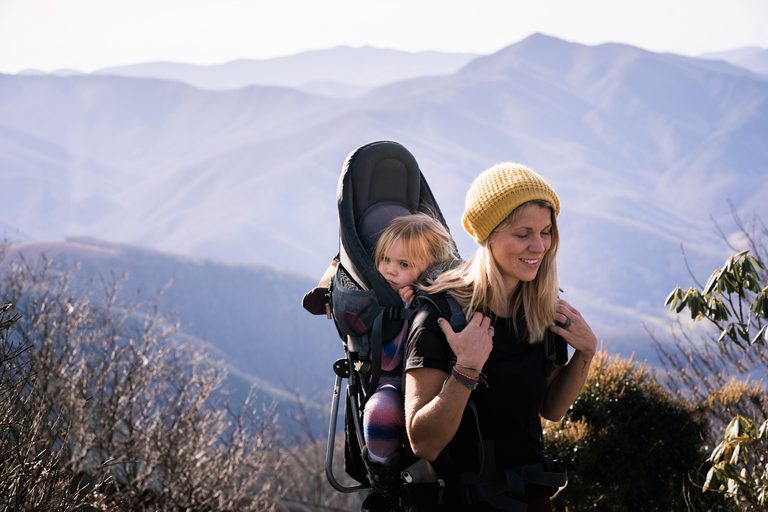
Hiking With A Child Carrier: Helping Little Legs Go Further
A child carrier can keep family adventures going while little legs are still growing. Discover how to use one to help children walk, explore and rest – and gradually increase their independence.
-
Finding The Adventure In Every Walk
Children are natural adventurers. Discover how curiosity, play, choice and manageable challenge can turn an ordinary family walk into something they’ll remember.
-
Family Mountain Safety: Building Confidence One Adventure At A Time
A practical, reassuring guide to helping your family enjoy the mountains safely while building confidence, judgement and outdoor skills one adventure at a time.




Learning Is Only The Start
Knowing how something should be done is useful. Knowing that you can do it for yourself is something else entirely.
Skills become real when you take them out into the world and use them. When the map comes out because you’re genuinely not sure which path to take. When the tent needs pitching before the rain arrives. When someone has to decide whether the weather means changing the plan.
For children, those moments are especially powerful.
They need opportunities to have a go — not just watch an adult who already knows the answer. That means giving them the map. Letting them choose the next path. Giving them responsibility for part of the camp. Asking what they think before telling them what you think.
And, sometimes, letting them get it wrong.
Not where the consequences are serious. Not by abandoning the boundaries that keep everyone safe. But in the countless small moments where there is room to experiment, make a mistake, think again and try something different.
Because that’s how confidence actually grows. Not from being told “you can do this.” From having enough experiences that eventually they can tell themselves: “I’ve worked things out before. I can work this out, too.”
As parents, that can mean learning to leave a little space. To supervise without taking over. To ask a question instead of supplying the answer. To let something take longer than it would if we simply did it ourselves.
The result might occasionally be a wonky tent, a wrong turn quickly corrected or dinner that takes considerably longer than planned. That’s okay. The aim isn’t perfection. It’s giving children somewhere safe to practice becoming capable.
And every time you do that, the skill becomes more than something they learned on an adventure. It becomes part of who they are.
What Will You Learn Next?
There will always be another skill that could take your family somewhere new.
Maybe it’s finally learning to navigate properly. Getting confident enough to paddle independently. Knowing what to do in an emergency. Learning the skills for your first wild camp. Or simply getting better at something you already love doing.
You don’t need to learn everything.
Just think about the adventures you’d like your family to have next — and ask what would help you get there.
Then learn it. Practice it. Use it.
And see what it unlocks.