
KIT & GEAR
Kit That Helps You Get Out There
You do not need all the gear to have an adventure.
You need the right things for the adventure you are having.
Sometimes that means a decent pair of waterproofs and somewhere to put the sandwiches. Sometimes it means specialist equipment you really do need to understand and trust.
Our job is to help you know the difference.
No kit worship. No endless pursuit of the newest version of something you already own. No suggestion that your children need to be dressed like sponsored mountaineers before they can walk through a muddy wood.
Just practical help choosing the things that keep your family comfortable, capable and safe — and make getting outside easier.
Start With What Matters
Good outdoor kit does a few important jobs.
It keeps people warm and dry. It helps prevent small problems becoming miserable ones. It gives you options when the weather changes or the adventure takes longer than expected. And, in some situations, it is an important part of keeping everyone safe.
That matters far more to us than logos, specifications or whether this year’s jacket has three more pockets than last year’s.
So we’ll help you understand:
- what you genuinely need
- what is useful but optional
- what you can improvise or use from home
- where buying cheap is perfectly sensible
- where quality really matters
- and when specialist equipment needs proper knowledge as well as money
The aim isn’t to own more stuff. It’s to head out knowing you’ve brought the things that matter.
Enjoy Choosing It. Love Using It
Shopping for outdoor kit can be part of the fun. A new pair of walking boots can make an adventure feel real before you’ve even left home, and letting children choose their own kit can build excitement and ownership.
But family adventure can also become expensive remarkably quickly if every new interest seems to require a new wardrobe and a garage full of equipment.
So we’ll help you enjoy the good stuff without buying for the sake of buying: where it’s worth investing, where second-hand is brilliant, what you can hire or borrow, and which purchases really do open up more adventure.
And some bits of kit become part of the story.
The child carrier that gave your toddler the freedom to explore further. The favourite hat that has somehow made it into half the family photos from your best adventures. The ridiculously comfortable boots you keep insisting have “another season in them” — right up until the moment your socks are wet.
That attachment is part of it too.
Good kit doesn’t just do a job. Sometimes it gathers memories, becomes familiar, and earns a place in the family adventure folklore.
The Right Kit Unlocks Adventure
The right kit changes what’s possible.
Some of it keeps you comfortable. A warm layer can turn a cold stop into a reset. Waterproofs can mean the rain becomes part of the adventure rather than the reason it ends. A child carrier can take you miles beyond the point little legs would manage. A decent sleeping bag can turn a first night under canvas from miserable into magical.
Some of it keeps you safe.
As your adventures grow, there are times when the things you carry become part of good judgement: spare insulation when the temperature drops, a headtorch when the day runs longer than planned, an emergency shelter in the hills, a properly fitted buoyancy aid on the water.
And often the same piece of kit does both. Keeping someone warm, dry and comfortable can stop a small problem becoming a bigger one.
That’s why we’re interested in kit.
Not because owning more of it makes you more adventurous, but because the right equipment removes barriers, gives you options and helps your family keep going when things don’t unfold exactly as planned.
The question isn’t simply:
“What do we need for this activity?”
It’s also:
“What could happen today — and what might we be very glad we brought?”
As your family becomes more adventurous, you’ll learn which things earn a permanent place in the bag, which only come out for particular adventures, and which require skills and knowledge as well as simply owning them.
Good kit can help you start the adventure, stay out longer, go further and come home safely.
That’s what makes it worth carrying.
Make Children Part Of The Choice
Kit works better when the people wearing it actually want to use it.
That sounds obvious, but it’s particularly important with children.
Let them choose between the two jackets that both do the job. Let them try the rucksack and decide whether it feels comfortable. Give them some ownership of their water bottle, headtorch or walking shoes. A child who has helped choose something is often much more invested in wearing it, carrying it and looking after it.
But involving them is about more than avoiding an argument at the front door.
It is also a chance to teach them why the kit matters.
Why do we take a warm layer when the sun is shining? Why does the buoyancy aid have to fit properly? Why do we carry a torch when we expect to be back before dark? Why are we checking that everyone’s waterproof still fits before heading into the hills?
Those little conversations gradually turn equipment from something adults impose into part of a child’s own understanding of preparation, risk and looking after themselves.
And sometimes kit becomes more than kit.
A child carrier, for example, isn’t only a way of covering more miles with a toddler. It can become their refuge: somewhere familiar to climb into when they’re tired, overwhelmed or simply need to feel close and secure while the adventure carries on around them.
The same can be true of a favourite warm coat, their own little rucksack or the flask they know contains hot chocolate.
These things can give children ownership, familiarity and confidence in unfamiliar places.
That is why, when we talk about children’s kit, we won’t only ask:
“Does it perform well?”
We’ll also ask:
“Does it help this child feel comfortable, confident and part of the adventure?”
Know How To Use It
Having the right kit is one thing. Knowing what to do with it is where it becomes genuinely useful.
A compass is just something that points north until you know how to navigate with it. Crampons and an ice axe don’t make winter mountains safer if you’ve never learned how to use them. Even relatively simple equipment becomes far more valuable when you understand when to use it, how to use it and what its limits are.
Some of that you can learn through reading, watching and practising. Sometimes, though, there really is no substitute for learning from someone who knows what they’re doing.
A day with a Mountain Leader learning navigation doesn’t just teach you how to use a compass. It can give you the skills and judgement to plan better routes, cope when visibility disappears and explore places you wouldn’t previously have felt confident tackling.
That’s the game changer.
The kit stops being something you carry just in case, and becomes something you know how to use when it matters.
The Kit Room: Practical Advice For Your Adventure Team
Welcome to The Kit Room. This is where we get practical about the stuff that helps adventures happen — what you need, what you don’t, what’s worth spending money on, what can be borrowed or bought second-hand, and what genuinely makes a difference when you’re out there.
We’ll test, compare and explain kit from a family point of view. Not just whether it performs well, but whether it works for real adventures with real children, changing weather, muddy boots, tired legs and the occasional forgotten glove.
Because the best kit isn’t the most technical. It’s the kit that helps your team get out, stay out and have a brilliant adventure.
-
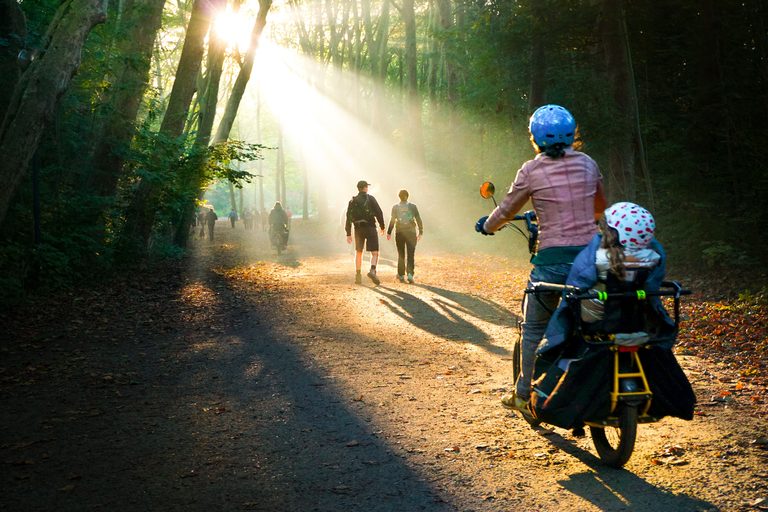
Cycling With Young Children: Bike Seats, Trailers & Cargo Bikes Compared
Want to cycle with a baby or toddler? Compare front and rear child seats, MTB seats, bike trailers and cargo bikes to find the setup that suits your child, terrain and family adventures.
-
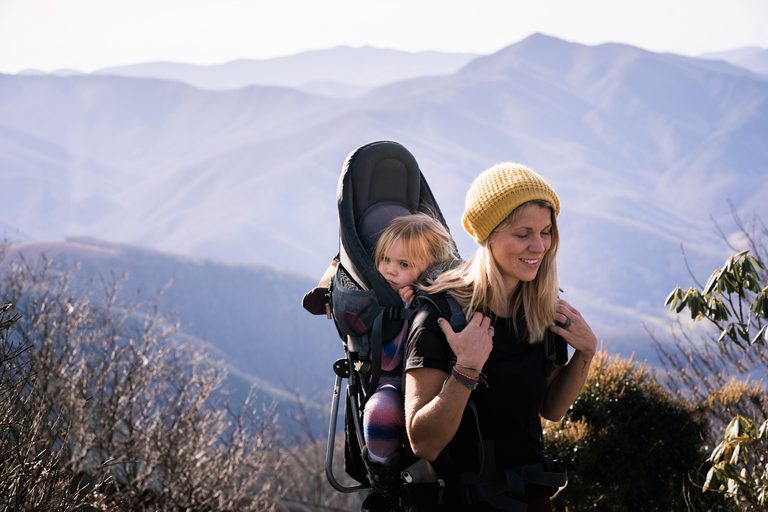
Which Is The Best Child Carrier For Hiking? A Family Guide
Which child carrier is best for hiking? There isn’t one answer for every family. Here’s how to find the carrier that fits your child, your body and the adventures you actually want to share.
-
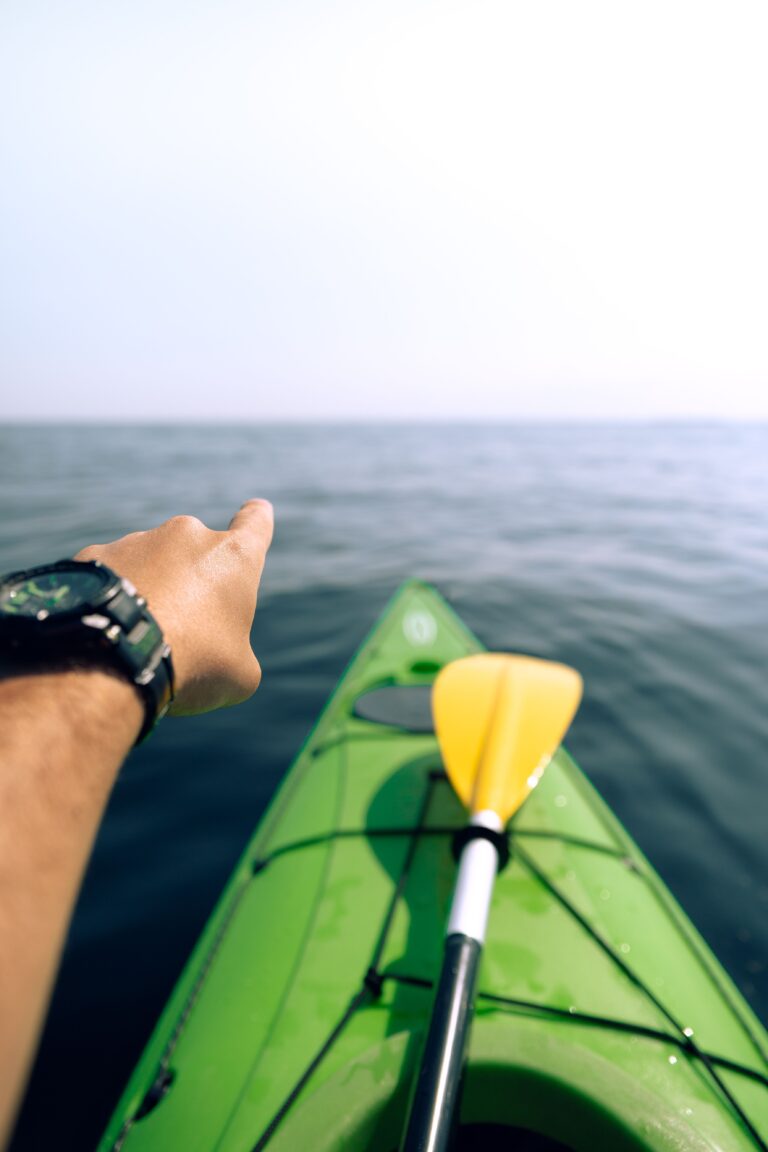
The Best Paddling Apps & Tech For Family Adventures
From river levels and wind forecasts to route planning, tides and GPS tracking, the right technology can help families understand the water, plan better journeys and build paddling capability.
-
Your First Family Bikepacking Trip: How To Make An Overnight Cycling Adventure Work
Bikepacking turns a family bike ride into a journey. Learn how to choose the right route, distance, luggage and overnight stop — and make your first family cycling expedition one everyone wants to repeat.
-
The Best Apps And Technology For Family Mountain Adventures
The best outdoor technology should help your family notice more, understand more and feel confident enough to go. From mapping and mountain weather to wildlife, stars and summit logs, these tools can support the adventure without taking attention away from it.
-
Hiking With A Child Carrier: Helping Little Legs Go Further
A child carrier can keep family adventures going while little legs are still growing. Discover how to use one to help children walk, explore and rest – and gradually increase their independence.



The Best Kit Is Often Forgotten
Not literally. Please remember where you put the headtorch.
But the best equipment usually isn’t the thing you talk about afterwards.
It’s the waterproof that meant the rain didn’t end the day. The carrier that got a toddler onto the hill. The stove that produced something warm when everyone needed it. The warm layer that kept little people adventuring when the breeze got up.
Good kit quietly does its job while your family gets on with the adventure.
And that’s exactly where we think it belongs.